ABC Leisure Group Limited
Registered in England, Company number 2860394
Registered address:
Alvechurch Marina
Scarfield Wharf
Alvechurch
Worcestershire
B48 7SQ

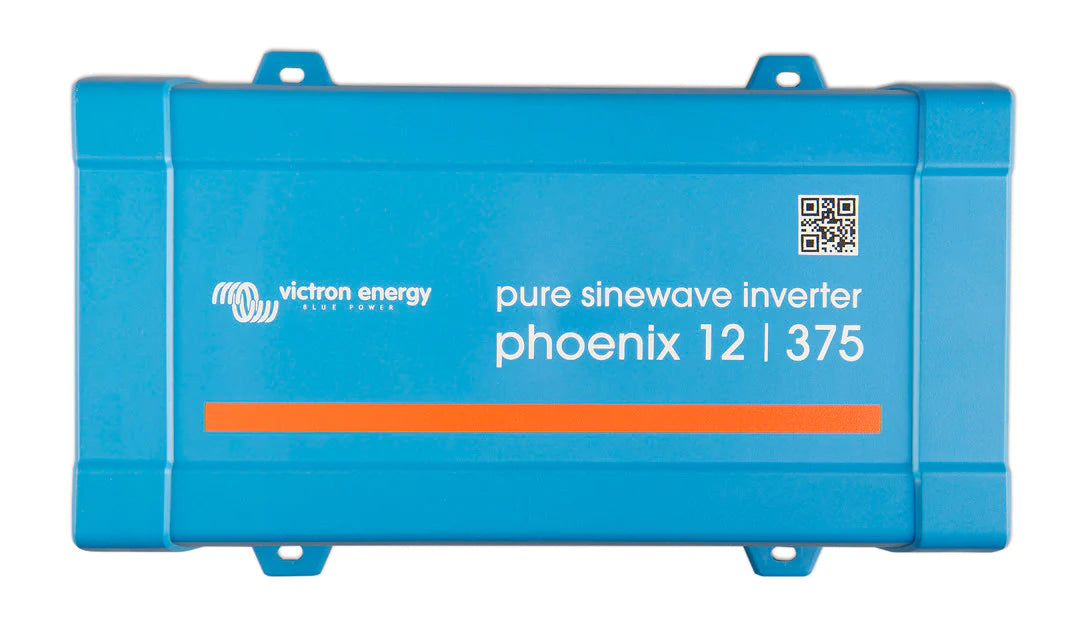
The size you need depends on the total wattage of the devices you plan to run at the same time. Add up the wattage of each device and choose an inverter that exceeds that total. As a rule of thumb, add 20-25% on top to give yourself headroom for startup surges.
Some appliances, like fridges and power tools, draw a higher wattage when they first switch on. That surge can be two to three times the running wattage, so your inverter needs to handle it without tripping.
A 12V inverter can run most standard household devices, but the key factor is wattage. Low-draw devices like laptops, phone chargers and LED lights are well within range. Higher-draw appliances like kettles and microwaves need a larger inverter, typically 1,500W or above.
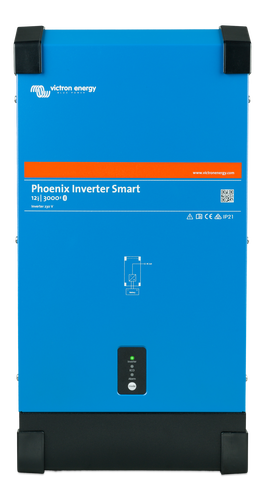
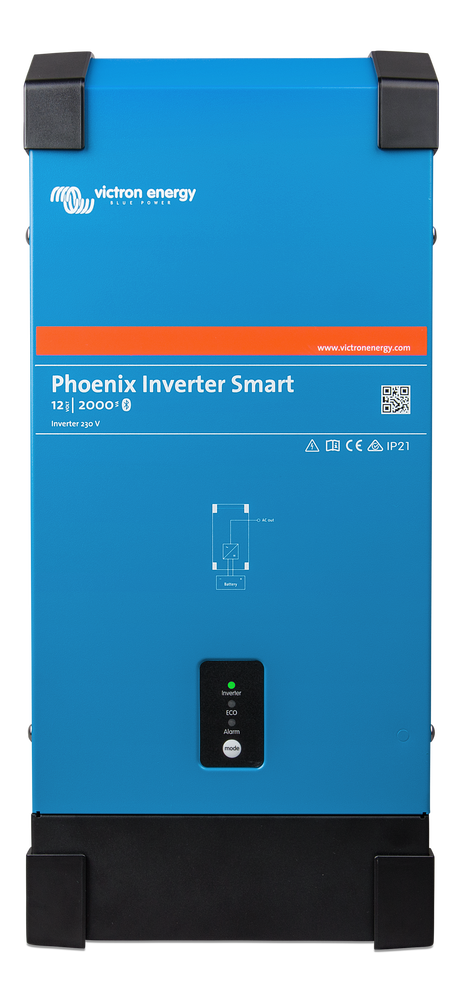
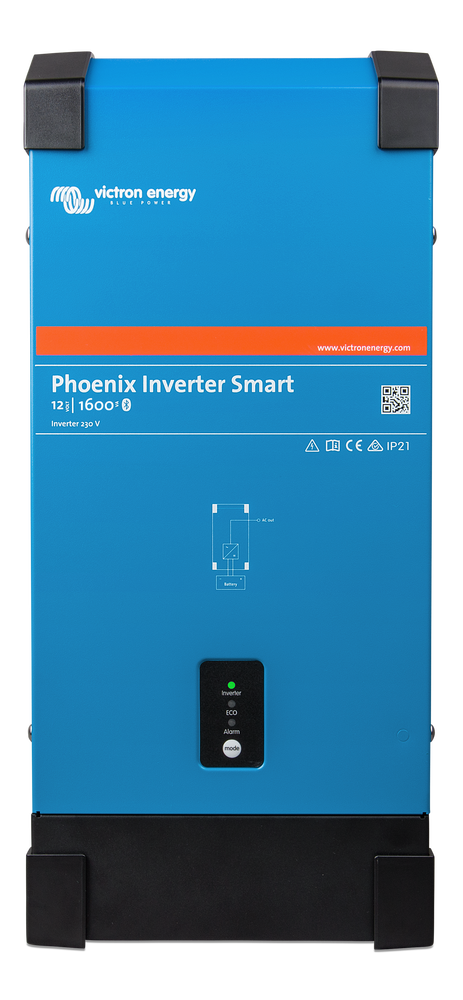
Price differences come down to output power, build quality and extra features. A 300-watt continuous output costs less than a 3,000-watt continuous output unit because it’s designed to handle more. A smart inverter with Bluetooth monitoring, a handy feature, will naturally cost more than a unit without one.
The amount of power you need depends on which devices you plan to run and for how long. Add up the wattage of everything you want to use at the same time, and that gives you your minimum inverter size. From there, build in some extra capacity for peace of mind.
A laptop typically draws 45W to 100W. A small television sits around 80W to 150W. A kettle, on the other hand, can pull 2,000W or more, so one high-draw appliance can change your requirements entirely.
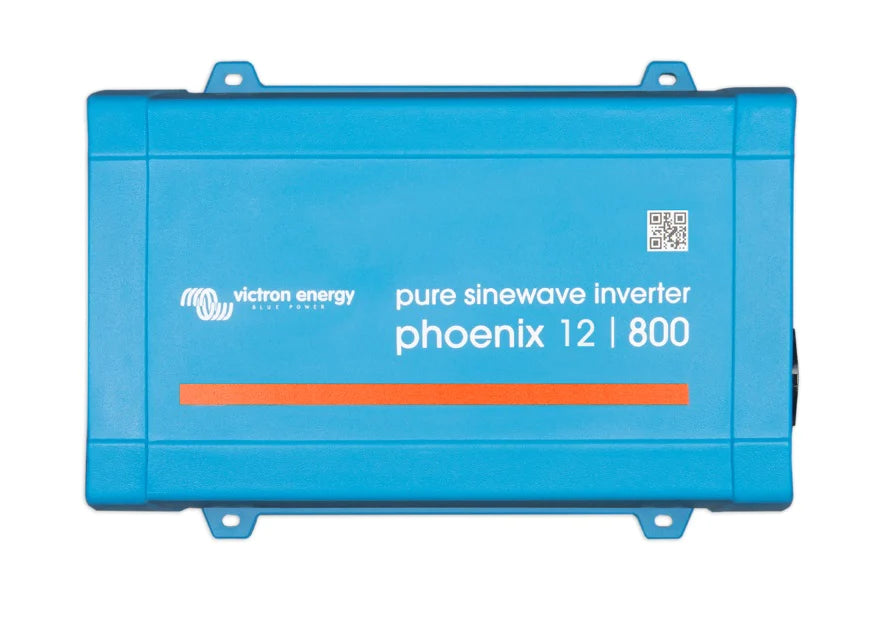
Think about your typical day. If you're charging devices and running lights, a 500W to 800W inverter covers most needs. If you're cooking, running a fridge and watching television, you're looking at 1,500W or above.
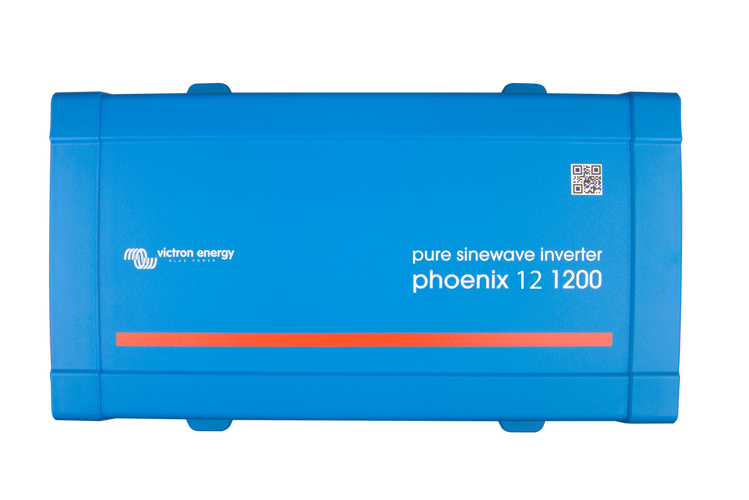
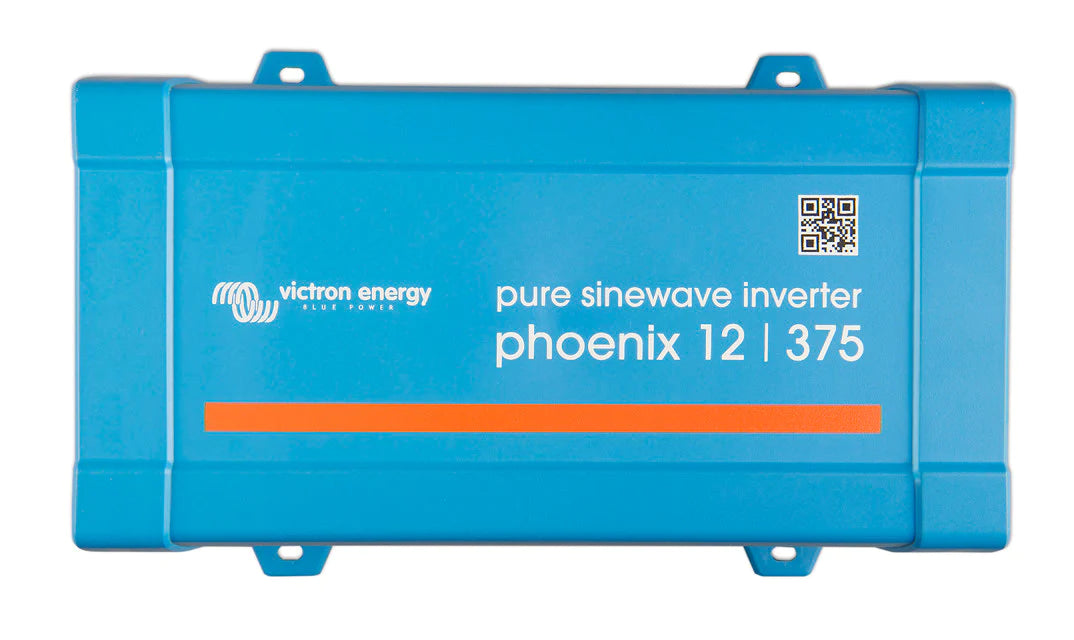
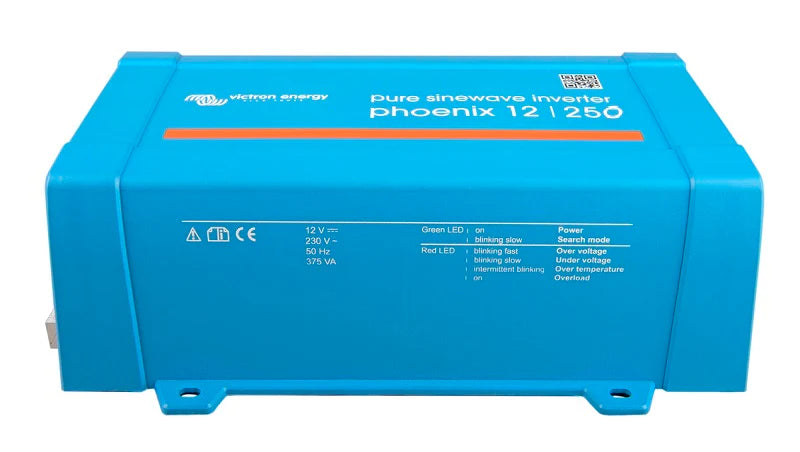
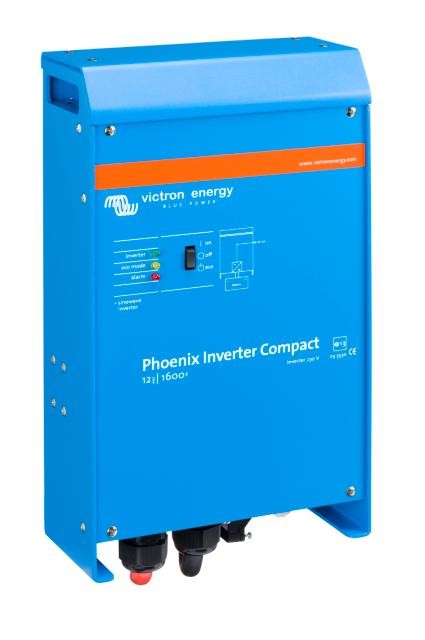
Victron Energy is one of the most trusted names in off-grid and marine power. Their products are built to handle tough conditions, work reliably over long periods and integrate with each other cleanly. That makes them a go-to choice for boaters, motorhome owners and off-grid installations alike.
Victron's ecosystem is one of its biggest strengths. Their inverters, chargers, battery monitors and solar controllers all communicate through the VictronConnect app, giving you a clear picture of your system in real time.
Support and documentation are thorough, too. Victron publishes detailed technical guides, and its dealer network means help is easy to find. It's hard to put a price on knowing that your setup is reliable.
TOP
ABC Leisure Group Limited
Registered in England, Company number 2860394
Registered address:
Alvechurch Marina
Scarfield Wharf
Alvechurch
Worcestershire
B48 7SQ
